Roofing Contractor
Warrenville, IL
- Fox River Valley Storm Corridor: Specialized storm documentation for the DuPage County northern exposure zone where systems track northeast off Fermi Hill and the Fox River valley.
- Code Compliance: Full compliance with City of Warrenville building codes, DuPage County amendments, and permit requirements — handled by our team on every project.
- Era-Specific Solutions: Warrenville's mix of 1970s ranch homes and post-2000 development requires different roofing systems — we specify the right product for each construction era and roof pitch.
Warrenville is one of DuPage County's most geographically distinct communities — a narrow, largely residential city bordered by the DuPage River to the west, Fermilab to the north, and the densely developed Naperville and Wheaton corridors on either side. Its housing stock ranges from 1960s and 1970s ranch-era construction near the river to newer planned developments along Mack Road. Both eras present specific roofing challenges — and both have been repeatedly exposed to the DuPage County storm corridor that funnels northeast along the Fox River valley. We serve Warrenville homeowners with the same GAF Master Elite® crew standard, full permit management, and end-to-end insurance claim documentation we bring to every project.
Warrenville's Geography Places It Squarely in the Northern DuPage Hail Track
Warrenville occupies a narrow north-south corridor within DuPage County that puts it in direct contact with two distinct storm pathways. The first is the Fox River valley track — severe weather systems that organize over northern Illinois and track northeast, moving along the river corridor and hitting Warrenville before continuing toward Wheaton and Carol Stream. The second is the DuPage River channel to the city's immediate west, which acts as a topographic funnel that can concentrate straight-line wind loads on the residential areas along Butterfield Road and Mack Road. NOAA-documented events including the June 2017 DuPage County hail outbreak, the August 2020 Derecho, and the June 2022 hail event along the Butterfield Road corridor have left a cumulative damage footprint across Warrenville's subdivisions — much of which has never been professionally assessed.
What makes storm history particularly significant for Warrenville homeowners is the unusual mix of housing ages on a very small geographic footprint. Ranch-era homes from the 1960s and early 1970s near the DuPage River already had aging roofing systems when the 2017 and 2020 events hit. Meanwhile, the post-2000 planned developments along Mack Road and near Cantera are now reaching their first natural replacement window — and many of those original builder-grade shingles have cumulative hail exposure that qualifies for insurance coverage. We attend every adjuster inspection for Warrenville homeowners and know how to document damage on both older and newer construction under the Illinois Insurance Matching Law.
How we manage hail & wind claimsInsurance claims for storm damage must be filed within your policy's claim window — typically one to three years from the storm date, depending on carrier. Warrenville homes that sustained damage in 2022 or later may still have actionable claims. Request a free post-storm inspection.
Ice Dams Are a Real Risk in Warrenville's Older Ranch-Era Homes — and Commonly Misdiagnosed
Ice dams form when heat escaping through an under-insulated or inadequately ventilated attic melts snow on the upper roof surface. That meltwater runs down to the cold eave overhang, refreezes, and builds a ridge of ice that blocks subsequent drainage. Water then backs up under the shingles — and since Illinois building code requires ice-and-water shield only 24" past the interior warm wall line, meltwater traveling further up the eave reaches unprotected decking. The result is water infiltration at the ceiling line, saturated insulation, and — in older construction — structural sheathing rot that may not manifest visually until it is extensive.
For Warrenville's 1960s and 1970s ranch-era homes near the DuPage River, this is a material concern. Low-slope rooflines, shallow eave overhangs, and original ventilation systems that are now 40–50 years old represent the highest-risk ice dam profile in DuPage County. These homes were built to building codes that allowed ventilation ratios far below what is now required — meaning inadequate attic airflow is often the root cause of chronic ice dam formation, not just weather conditions. Replacing the roof without correcting the underlying ventilation deficiency simply recreates the same problem on new shingles, and will void the GAF manufacturer warranty. Every re-roofing estimate we provide in Warrenville includes a formal attic ventilation assessment, and we correct deficiencies before any new material goes down.
Low-slope rooflines, original batt insulation, and minimal soffit/ridge ventilation. These homes form ice dams reliably in any winter with multiple freeze-thaw cycles. Attic ventilation is almost universally below current IL code ratios and should be assessed and corrected as part of any re-roofing project.
Complex rooflines with dormers and cathedral sections create localized cold spots even in otherwise adequately ventilated homes. Valley and dormer intersections are the primary ice dam initiation zones in this era of construction.
Newer builds generally meet current ventilation ratios. Primary risk is at garage-to-living-space additions and bonus rooms over garages where insulation continuity is typically compromised. Still worth inspecting if the original roof has not been replaced.
Insurance note: Ice dam damage is covered under most Illinois HO-3 policies as a water damage peril. However, if the underlying ventilation deficiency isn't corrected, a subsequent ice dam claim may be denied as a maintenance issue. We document both the damage and the ventilation deficiency in every assessment — protecting your future claim eligibility.
Warrenville Has One of DuPage County's Most Diverse Housing Age Profiles on a Compact Footprint
Warrenville's development history is unusual for a DuPage suburb — the city developed in waves over five decades, leaving a patchwork of housing eras within a small geographic area. Ranch homes from the 1960s and 1970s sit near post-2000 planned developments, each requiring different roofing systems, materials, and installation approaches. Understanding which era your home belongs to is the first step in specifying the right replacement.
Warrenville Homeowner Alert
A significant number of 60555 homes built in the late 1980s to mid-1990s along Mack Road and in the Hawthorne Hills area were constructed with 20-year 3-tab shingles that are now well past their design life — and many have never had a formal post-storm assessment after the 2017 or 2020 events. If your home was built between 1985 and 2000 and the roof has not been replaced, a free inspection is strongly advisable before the next storm season. We inspect ventilation, decking condition, and flashing integrity on every visit.

The western edge of Warrenville, running along the DuPage River corridor, contains the city's oldest residential inventory — predominantly 1960s and early 1970s ranch-style homes, many on larger lots with significant tree canopy. This combination — old rooflines, mature trees, proximity to the river floodplain's moisture microclimate — produces the highest frequency of sheathing and decking damage we see anywhere in the area. Moss and algae growth are also prevalent on north-facing roof sections where shade is persistent. Homes in this zone frequently need decking replacement in addition to the shingle system; we assess decking at every estimate and photograph any soft or deteriorated sections before work begins.
Central Warrenville's primary residential band — developed primarily in the late 1980s through the late 1990s — represents the largest volume of roof replacement work we complete in the city. Colonial and two-story homes on 7,000–10,000 sq ft lots are the dominant housing type. Original asphalt shingles from this era used lower-grade fiberglass mat construction and had design lives that have now been exceeded in most cases, often compounded by hail exposure from the 2017 and 2020 events. Homeowners here frequently face the question of whether to upgrade to Class 4 impact-resistant shingles — we walk through the insurance premium payback calculation at every estimate.
East Warrenville's planned developments from the late 1990s through mid-2000s are now at their critical first-replacement window. Builder-grade 3-tab shingles installed during this period — often specified at the low end of the cost spectrum by production homebuilders — have performed below their stated design lives, particularly after the back-to-back storm events of 2017 and 2020. Many homeowners in this area moved in after 2010 and are unaware of the cumulative storm exposure their roofs have accumulated. Free inspections available.
Warrenville's commercial strip along Butterfield Road and the Route 59 corridor contains a mix of 1980s–1990s retail flat roofs and more recent mixed-use construction. The older commercial inventory in this zone has significant TPO and EPDM membrane exposure — many of these roofs have exceeded their 20-year design life and show standing water, membrane seam separation, and drain blockage issues that are a precursor to interior water infiltration. Occupied-building scheduling and minimal-disruption project coordination are standard in our commercial scope. We also service the light industrial and research facilities adjacent to Fermilab's ring road.
Explore TPO/EPDM flat roofingOne Call Gets a Warrenville Crew On Your Roof
Written estimates within 48 hours, GAF Master Elite® certified installation, and a crew that knows Warrenville's permit process cold.
City of Warrenville Roofing Permit Requirements
The City of Warrenville requires a building permit for all roof replacements, processed through the Warrenville Community Development Department. Permit applications must include a detailed scope of work, material specifications, and proof of contractor insurance and licensure. Warrenville enforces the DuPage County locally-amended International Building Code, which imposes specific requirements for ice-and-water shield installation depth, drip edge, and attic ventilation ratios that must be satisfied at the time of replacement.
A final inspection is required after project completion. Unlike some DuPage County municipalities, Warrenville does not routinely conduct a point-of-sale building inspection — however, unpermitted roofing work must be disclosed in the Illinois Residential Real Property Disclosure Report and can complicate buyer mortgage approvals and title insurance. We include permit filing, City coordination, and final inspection management in every Warrenville project at no additional charge, and maintain current contractor registration with the City for immediate permit submission.
| Requirement | Warrenville Standard | Our Performance |
|---|---|---|
| Ice & Water Shield | 24" past interior warm wall (DuPage code) | Exceeds — extended eave coverage standard |
| Drip Edge | Mandatory installation | Included standard (heavy gauge) |
| Final Inspection | Required — City sign-off | 100% pass rate · Managed directly |
| Contractor Registration | Required with City | Current — on file with City |
| Attic Ventilation | Must meet IL code ratio at replacement | Assessed + corrected on every project |
HOA requirements vary significantly by neighborhood in Warrenville. Many of the older ranch-era subdivisions near the DuPage River have no active HOA. However, several of the planned developments constructed after 2000 along Mack Road and near the Cantera periphery maintain architectural review requirements for roofing material type and shingle color profile. We confirm HOA status and any applicable restrictions for your specific address at the estimate visit — before the proposal is signed — to ensure your new roof clears any review process without delay.
The Most Common Roof Leak Sources in Warrenville Homes — by Construction Era
Two decades of working in Warrenville have shown us the same failure patterns repeat by construction era. The leak source your neighbor dealt with last winter is probably the same one you'll call about next spring if your home was built in the same decade. Knowing likely sources before we arrive cuts diagnostic time and delivers faster, more accurate repairs.
Pre-1985 Construction — River Area Ranch Homes
Original chimney step-flashing and counter-flashing failures are endemic in this era — mortar joints have experienced 40+ freeze-thaw cycles and have nearly always debonded from the masonry. These are the first leak source we investigate in any pre-1985 Warrenville home. Pipe boot collars have also hardened and cracked. The second most common issue is the low-slope addition section over family rooms and garages, where shingles were installed at 2:12 pitch or less — technically non-compliant and prone to water infiltration at the head wall intersection.
Roof repair services1985–2000 Construction — Central Warrenville Two-Story
Pipe boot seal failures (neoprene boots cracking at the collar between 15–20 years of age) are the single most common repair call we receive from this construction period. Valley metal installed at undersized widths is the second — center-valley leaks present as a long, thin ceiling stain running parallel to the valley rather than a localized spot. Both are straightforward repairs when addressed early; both lead to decking rot and larger remediation costs when ignored for a full season. Skylight perimeter flashing failures are also disproportionately common in 1990s Warrenville homes.
Roof repair servicesStorm-Related Repair vs. Replacement Decision
For Warrenville homes approaching or past 20 years of age, the repair-vs-replace question is worth examining before committing to a repair. A targeted repair on a roof with widespread granule loss, multiple prior leak repairs, or documented storm exposure from the 2017 or 2020 events may represent money toward a replacement rather than a solved problem. We give an honest assessment of remaining useful life at every service call — and we'll tell you when repair is the genuinely right answer, not just the faster one to close.
Repair vs. replace guideRoofing Services We Provide in Warrenville
Roof Replacement
Full tear-off and replacement for Warrenville homes across every construction era — ranch-era through post-2000 planned development. GAF Master Elite® certified crew with Golden Pledge® 50-year warranty available on qualifying installs.
Roof Repair
Leak investigation and repair for Warrenville homeowners — including chimney step-flashing, pipe boot, valley metal, skylight perimeter, and the low-slope addition sections common in west Warrenville ranch homes near the DuPage River.
Storm Damage & Claims
Hail and wind damage documentation for DuPage County properties. We attend your adjuster inspection, submit supplements, and know how to correctly document storm damage on both older ranch-era homes and newer construction in the 60555 zip code.
Asphalt Shingles
Architectural and Class 4 impact-resistant shingles. Given Warrenville's documented northern DuPage hail exposure, we walk through the Class 4 upgrade insurance premium payback calculation at every estimate — typically 3–5 years for most carriers serving 60555.
Gutters & Downspouts
Seamless aluminum gutter installation and storm damage replacement. Hail-dented gutters are often overlooked in DuPage County insurance claims — we document and include them in your claim scope at no additional charge.
Commercial Roofing
TPO, EPDM, and modified bitumen for Warrenville's Butterfield Road retail corridor, Route 59 commercial properties, and the Cantera business area. Research and light industrial buildings adjacent to the Fermilab campus are a specialty area.
What Our Work in Warrenville Actually Looks Like
We've completed over 180 roofing projects in the Warrenville 60555 area since 2005. These are representative examples across the three most common project types — insurance-driven replacement, aging-roof replacement on ranch-era homes, and first-replacement work on post-2000 construction.
Homeowners filed a claim with Allstate following the June 2022 hail event on the Butterfield Road corridor but received an initial estimate that excluded gutters and downspouts. We attended the adjuster re-inspection, documented 52 functional hail strikes across four roof planes using HAAG Engineering measurement protocol, and submitted a supplement covering the full gutter scope. Final approved claim came in $4,800 above the original offer. Project was completed with GAF Timberline ArmorShield II Class 4 — the homeowners confirmed a 24% premium discount on the wind/hail component of their Allstate policy at renewal.
Classic west Warrenville ranch home with a 5:12 main roof and a 1.75:12 low-slope section over a 1980s family room addition. The previous contractor had installed architectural shingles on the low-slope section — already failing at the eave after seven years. We specified GAF Timberline HDZ architectural shingles for the main roof and TPO membrane for the flat section, coordinated both as a single one-day project, replaced 40% of the decking sheathing (discovered to be deteriorated from decades of ice dam moisture), and corrected soffit and ridge ventilation that was substantially below current DuPage County code ratios.
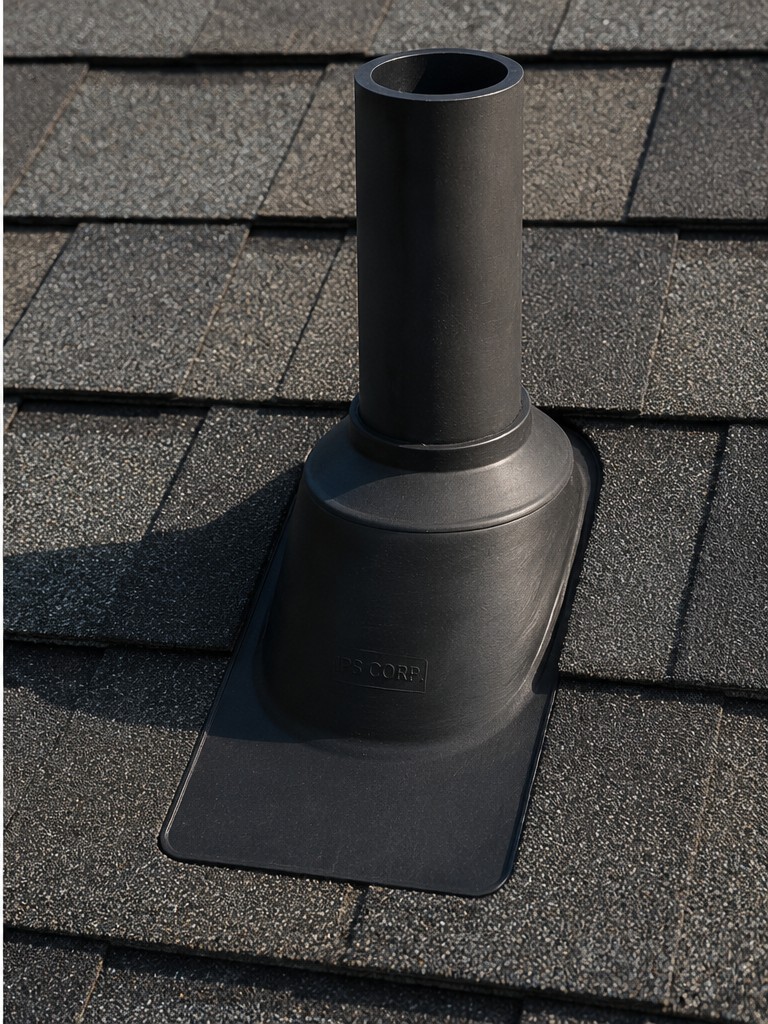
Homeowners had purchased the home in 2018 and were unaware the original 2002 builder-grade 3-tab roof had never been replaced. Our post-purchase inspection revealed granule loss consistent with hail exposure from the 2017 event and deteriorating pipe boot collars on three penetrations. We cross-referenced NOAA storm records for the 60555 zip and documented the June 2017 event at the property address. State Farm partially covered discoverable pre-purchase storm damage; the homeowners paid only their deductible on the insurance-covered planes and paid out-of-pocket for the remaining sections. Replacement completed with GAF Timberline ArmorShield II; State Farm premium discount confirmed at 19% on wind/hail component.
What Warrenville Homeowners Say
Verified Google reviews from Warrenville, IL homeowners. See all 312+ reviews →
"We have a 1973 ranch on the west side of Warrenville near the river — the previous roofer just put 3-tab shingles on the whole thing including the low-slope section over the family room addition. Within four years it was leaking again. Naperville Roofing Crew came out, explained exactly why, and installed TPO on the flat section and architectural shingles on the main roof in a single day. Zero leaks in three winters since."
"After the 2022 hail storm on Butterfield, I called my insurance company and the estimate they sent back seemed low. Naperville Roofing Crew came and did the full inspection, went back to Allstate with a supplement that covered the gutters and downspouts we hadn't realized were damaged. Final settlement was nearly $5,000 higher. They handled everything — I just had to sign the paperwork."
"Bought our home near Mack Road in 2019 and finally got the roof properly inspected. They pulled the permit history from the City of Warrenville, found no prior replacement on record for the 2003 original roof, and found storm bruising from 2017. State Farm covered part of it. We upgraded to the Class 4 shingles and our premium dropped about $380 a year. They paid for themselves in premium savings inside of five years."
Roofing FAQ for Warrenville Homeowners
Do I need a permit to replace my roof in Warrenville?
Yes. The City of Warrenville requires a building permit for all roof replacements, processed through the Warrenville Community Development Department. The permit process requires contractor registration with the City, proof of insurance, and a scope of work submission. We handle the entire permit process — application, City filings, and final inspection — as part of our standard scope at no additional charge. Unpermitted roofing work must be disclosed on the Illinois Residential Real Property Disclosure Report at resale, and can complicate buyer mortgage and title processes. We maintain current City registration and insurance certificates on file for immediate permit submission on Warrenville projects.
How do I find a reputable roofing contractor in Warrenville?
The three non-negotiable verification steps for any Warrenville roofing contractor: (1) confirm they hold current contractor registration with the City of Warrenville — the Community Development Department can verify this; (2) verify their Illinois contractor license and certificate of insurance; (3) confirm they pull permits and manage the final inspection — any contractor who suggests skipping the permit to "save money" is transferring legal and financial liability to you at resale. Beyond those basics, ask specifically whether they have experience with Warrenville's mixed-system homes (low-slope additions on ranch-era homes near the DuPage River are common and require TPO, not shingles) and whether they manage the DuPage County permit process directly.
Is it worth upgrading to Class 4 impact-resistant shingles in Warrenville?
For most Warrenville homeowners, the economics favor Class 4. Class 4 impact-resistant shingles typically add $1,500–$2,800 to a standard replacement cost. Major carriers including State Farm, Allstate, and Farmers offer premium discounts of 18–28% on the wind/hail component of the homeowners policy for Class 4 roofs. Given Warrenville's position in the northern DuPage hail track, the upgrade cost is typically recovered in 3–5 years of premium savings for most 60555 homeowners — and then continues saving money for the life of the roof. Class 4 also reduces future storm damage probability, which protects your claims history with your carrier. Read our complete Illinois Roofing Insurance Guide.
My Warrenville home has a flat section over an addition. Can you handle both roofs?
Yes — this is one of the most common scenarios in west Warrenville's ranch and split-level inventory near the DuPage River. Low-slope addition sections require TPO or modified bitumen, not asphalt shingles; installing shingles on less than a 2:12 pitch is a code violation and will fail within a few years regardless of shingle quality. We scope and price both the steep-slope main roof and the flat or low-slope section as a coordinated single project and assess the pitch of every section at the estimate visit. A number of Warrenville homeowners have had prior contractors install shingles on these sections — if your flat section is leaking and shingles are present, this is almost certainly the cause.
How much does roof replacement cost in Warrenville?
For a typical 1,800–2,400 sq ft home in Warrenville's 60555 zip code, a full replacement with GAF Timberline HDZ architectural shingles runs approximately $11,500–$17,500 including permit, tear-off, ice-and-water shield, and all flashings. Ranch-era homes near the DuPage River often require decking replacement (typically adding $800–$2,500 depending on the extent), which we photograph and document transparently before any work begins. Storm damage claims through insurance frequently cover the full replacement less your deductible — we walk through the insurance process at the estimate visit. See our full cost guide for a detailed breakdown.
Does Warrenville have HOA restrictions on roofing materials or colors?
HOA requirements in Warrenville vary by neighborhood. The ranch-era subdivisions near the DuPage River typically have no active HOA architectural review requirements. A number of the planned developments constructed after 2000 along Mack Road and near the Cantera business park periphery do maintain HOA requirements covering shingle color profile and sometimes material type — these vary by subdivision and are not publicly consolidated in a single database. We confirm HOA status for your specific address at the estimate visit, including a check on whether your subdivision has an active architectural committee and what the review process entails, before any proposal is signed.
How do I know if my Warrenville roof has hail damage?
Functional hail damage — the type qualifying for an insurance claim — manifests as granule displacement and fiberglass mat fracture that is only detectable by direct roof surface contact. From the ground, dents on aluminum gutters and fascia boards are the most reliable visible indicator after a storm event. If your gutters show impact dents and your shingles are more than 10 years old, the probability of qualifying damage is high. For the 2022 event along the Butterfield Road corridor and the 2020 Derecho specifically, a significant number of 60555 properties sustained functional hail damage that was never filed as a claim. A free post-storm inspection is the only way to confirm this with claim-ready documentation.
Which insurance companies handle most roof claims in DuPage County's northern zone?
In our experience managing claims across DuPage County, the most prevalent carriers for Warrenville homeowners are State Farm, Allstate, Farmers, Country Financial, and Erie. State Farm and Allstate use Xactimate pricing software and respond well to HAAG Engineering-style functional damage documentation language. Country Financial uses regional adjusters who are generally more receptive to adjuster accompaniment than carriers using third-party inspection services. We've worked with all of these carriers extensively across the 60555 zip code and know the supplement process for each. This experience matters directly when the initial claim offer — as it commonly does — undershoots the actual damage scope. See our full DuPage County Insurance Claim Guide.
I recently bought a Warrenville home and don't know the roof age. What should I do?
Request a free roof inspection. We'll assess the current condition, estimate remaining service life, and cross-reference NOAA storm data for the 60555 zip code with observable damage indicators to estimate the roof's storm exposure history. We can also verify whether a permit was pulled for any prior replacement through the City of Warrenville's permit records — telling you whether previous work was done to code and whether the prior warranty (if any) would still be valid. For homes in west Warrenville's river area that are showing signs of ice dam damage or moisture staining, we'll specifically assess the attic ventilation system as part of the same visit. Inspection is free with no obligation.
Request a Free Estimate in Warrenville
We've been serving Warrenville homeowners since 2005 — 180+ completed projects in 60555. On-site assessment, written proposal within 48 hours, City of Warrenville permit handling included.
Also Serving Warrenville's Neighbors: